 Smarter QR Code
 Use cases
You can build and simulate any of these for free; the $60/year plan is what makes rules route real scans, on every code in your account.
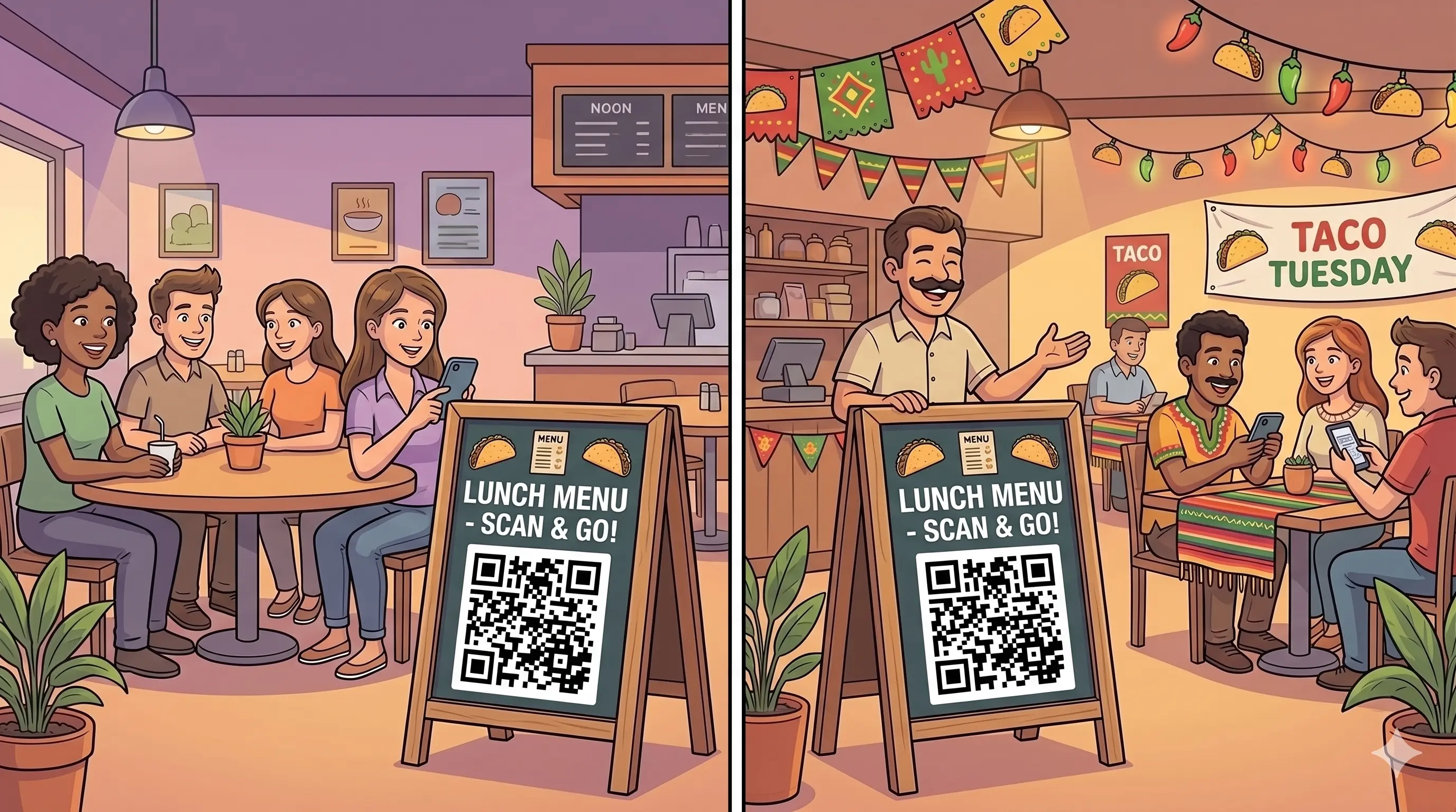
Restaurants & cafés
One QR code on every table that opens the right menu for the time of day. No more "sorry, we stopped serving breakfast at 11" conversations, and no reprinting when the menu changes.
Example rules
- 7 to 11 am → breakfast menu
- 11 am to 4 pm → lunch menu
- Tuesdays → taco night specials
- Any other time → dinner menu
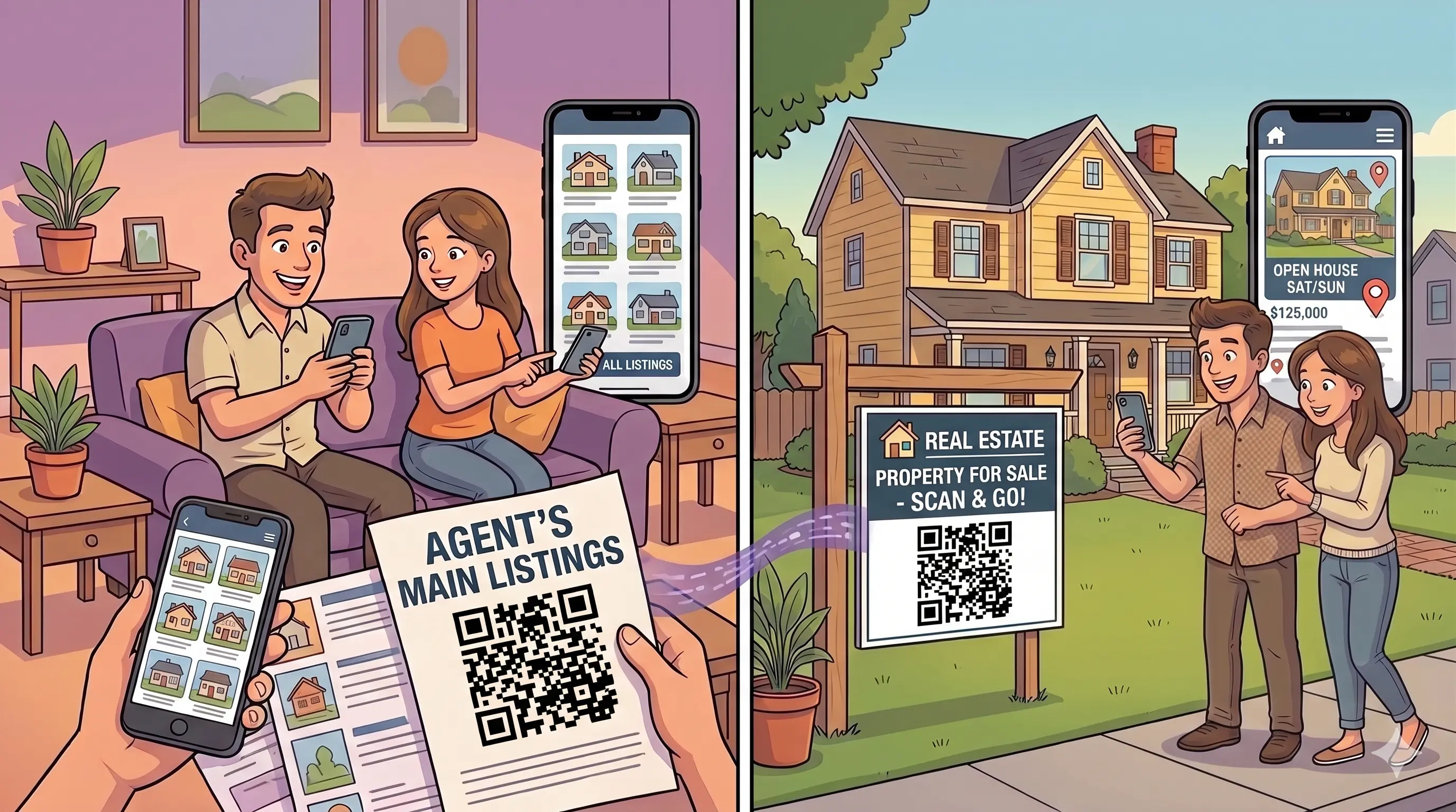
Real estate agents
The same QR code on every yard sign, open house banner, and flyer. It opens the agent's full listings page by default, but when the scanner shares their location, it jumps straight to the listing for the house they're standing in front of.
Example rules
- Within 50 m of 123 Oak St → listing for 123 Oak
- Within 50 m of 456 Maple Ave → listing for 456 Maple
- Within 50 m of 789 Pine Rd → listing for 789 Pine
- Anywhere else → agent's full listings page
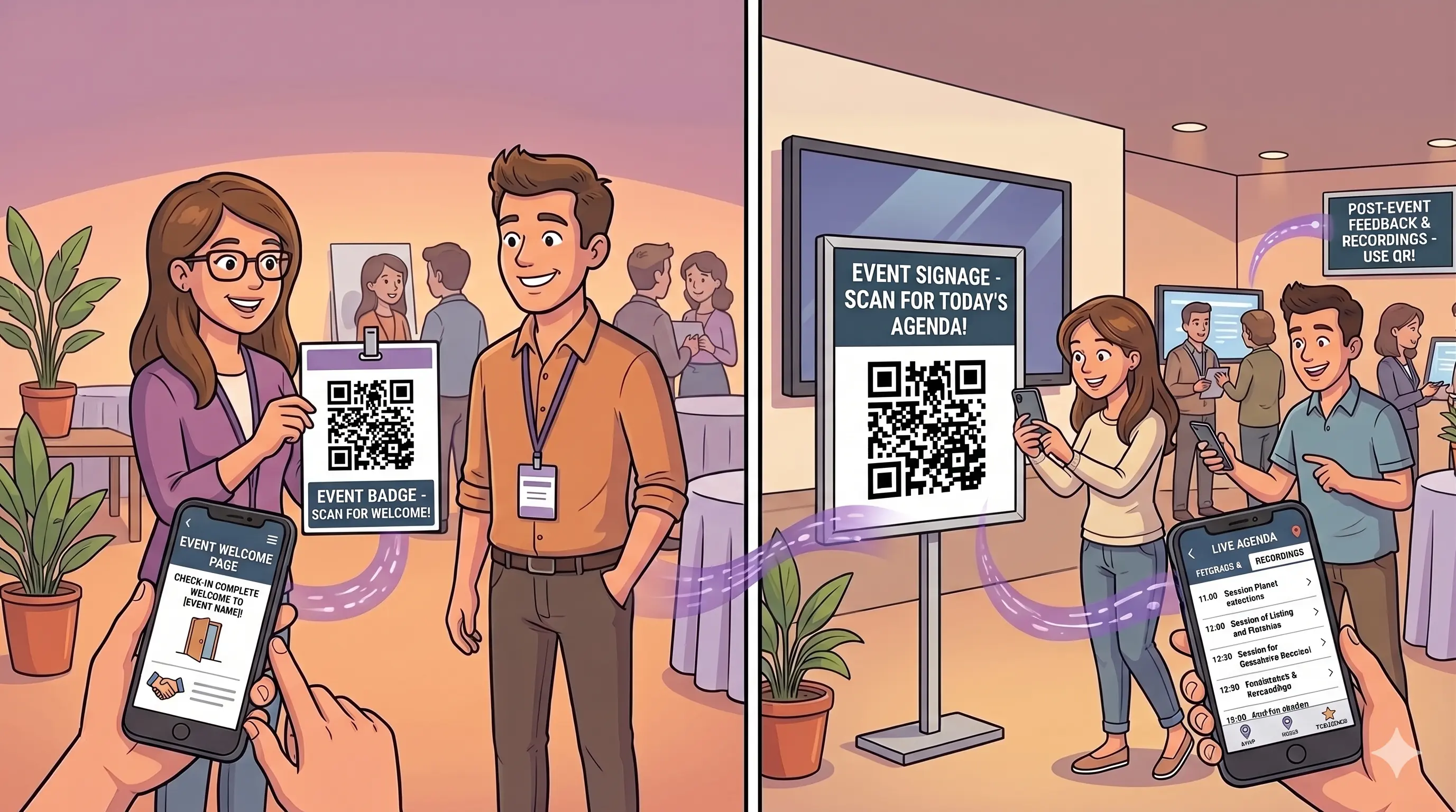
Events, conferences & trade shows
One QR code on posters, badges, lanyards, and signage that follows the event from start to finish. Before the event it's the sign-up or ticket page, during the event it's the live agenda, and afterward it shares the recordings and slides.
Example rules
- Before May 10 → sign-up and tickets
- May 10 to 12 → live agenda and session map
- May 13 onward → recordings and slides
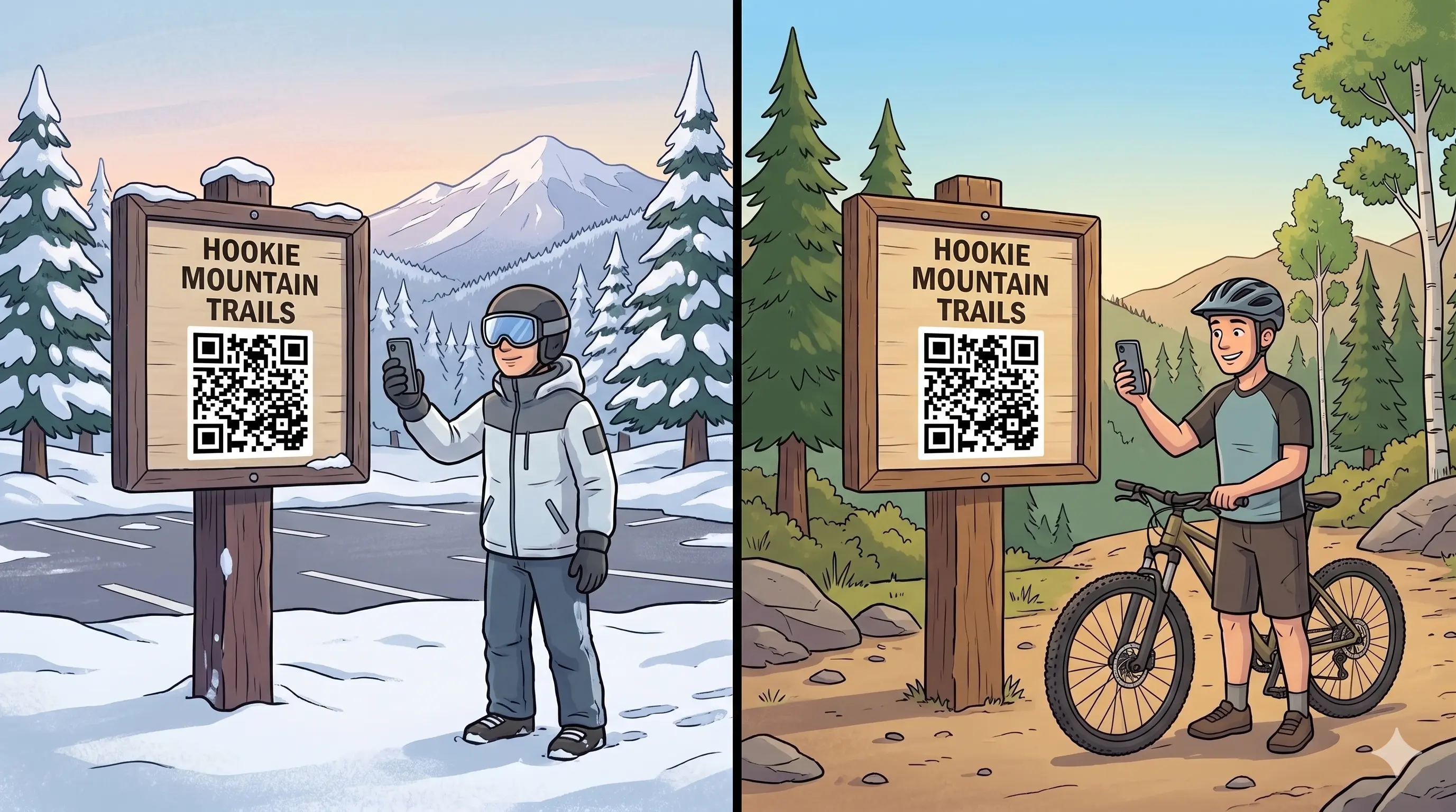
Seasonal businesses
A ski area that turns into a mountain bike park in summer needs different information at different times of year. The trail sign by the parking lot stays up year-round, and updating the season dates takes a minute, not a reprint.
Example rules
- Dec 1 to Mar 31 → lift tickets and snow report
- Jun 1 to Oct 31 → bike trail map and rentals
- Any other time → off-season hours and events
Gyms & fitness studios
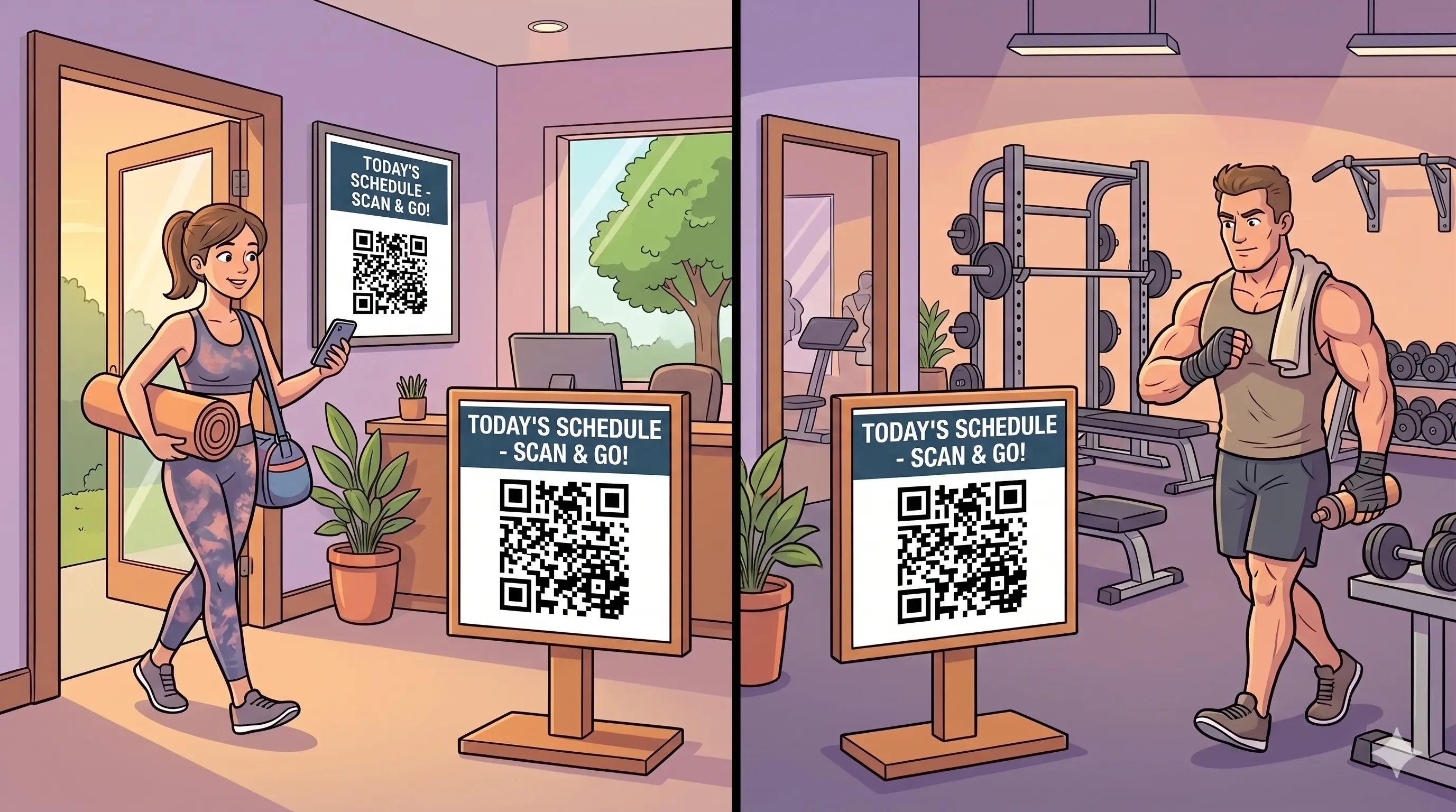
Class schedules change by the day of the week, but the sign at the front desk doesn't. One QR code opens today's class signup without anyone having to update anything.
Example rules
- Monday → yoga signup
- Wednesday → spin class signup
- Saturday and Sunday → weekend schedule
- Any other day → full class schedule
Hotels & front desks
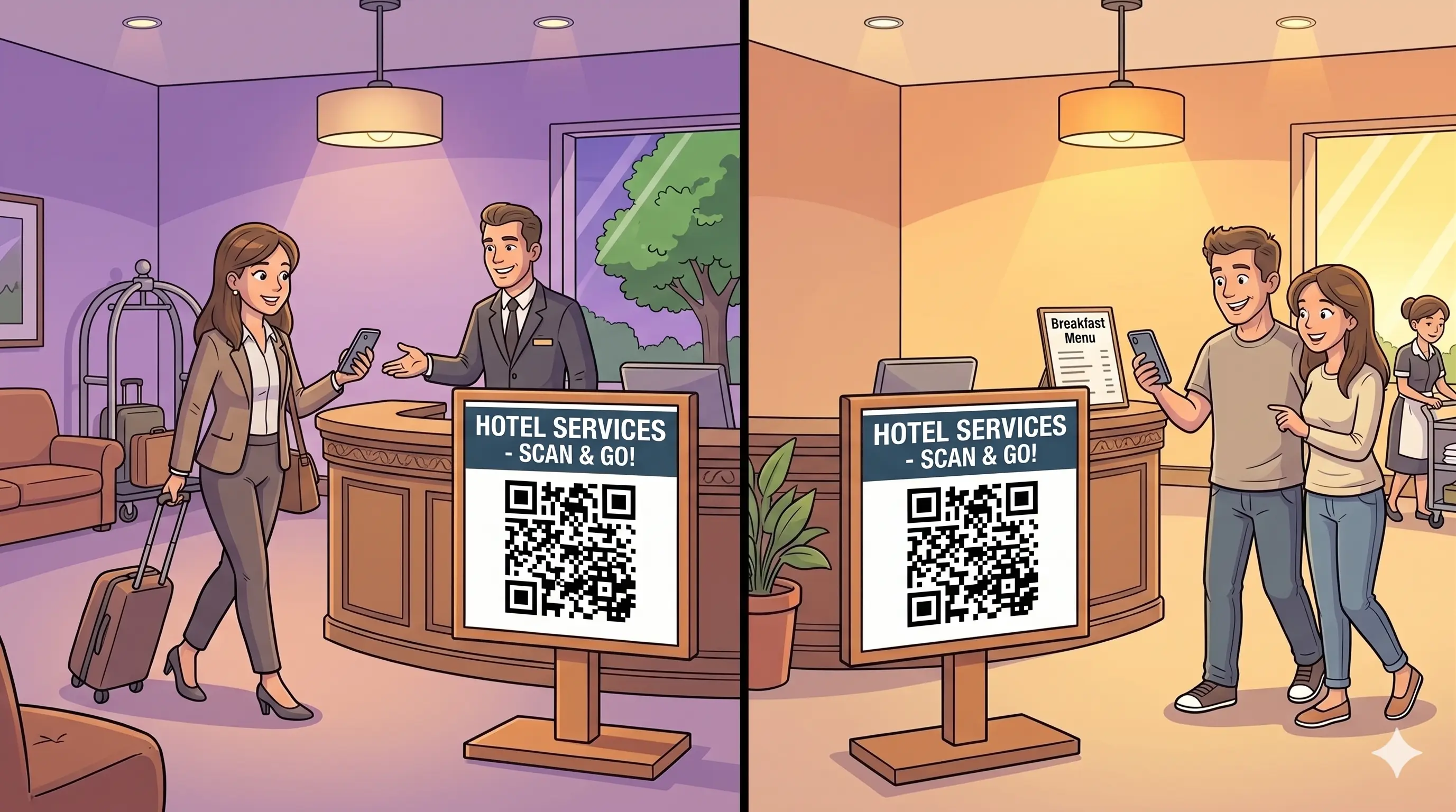
Guests scanning a lobby or in-room QR code get the right resource for the time of day: the breakfast menu first thing in the morning, the concierge during the day, and the night desk after hours.
Example rules
- 6 to 10 am → breakfast menu and hours
- 10 am to 10 pm → concierge and local recommendations
- 10 pm to 6 am → night desk contact
Sculpture gardens & walking tours
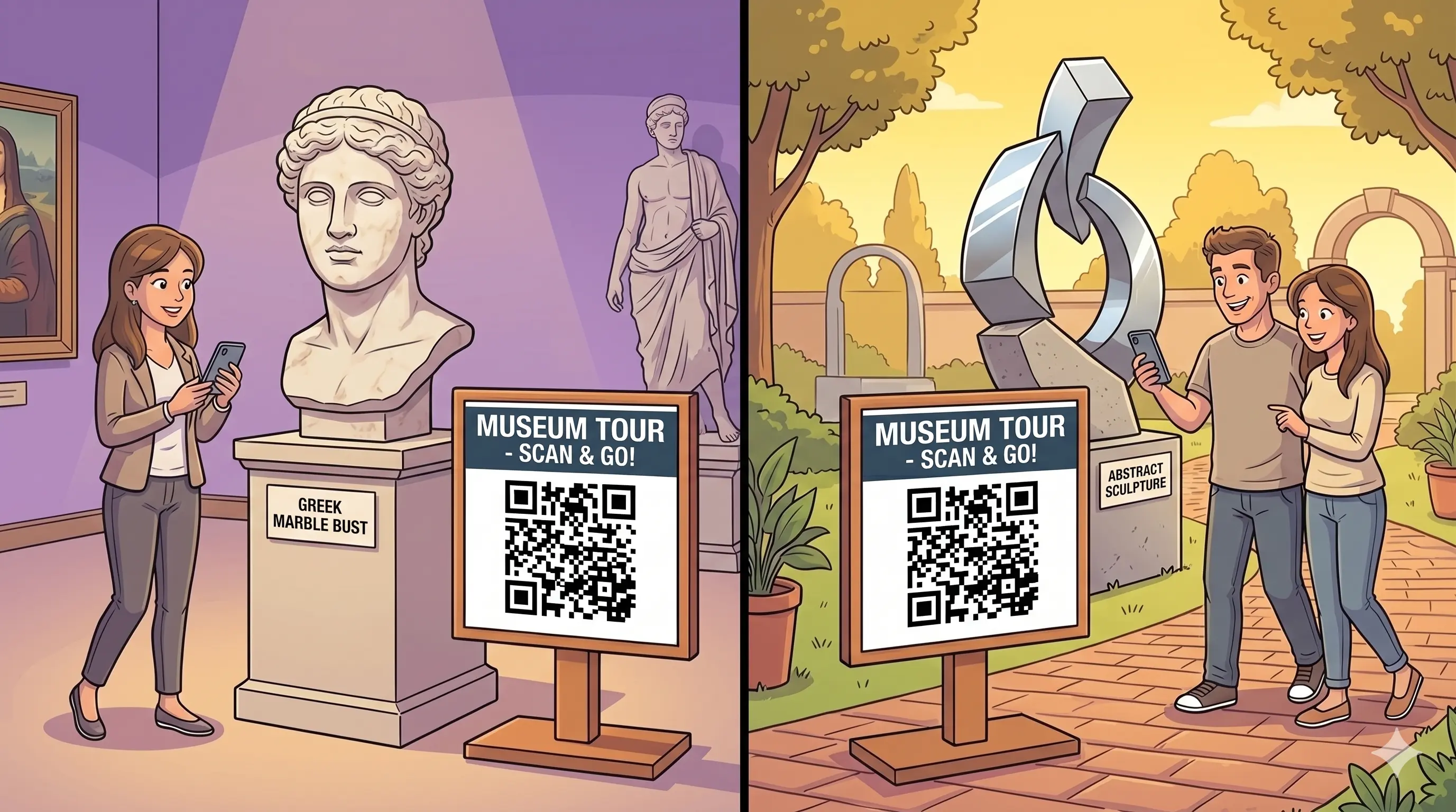
Put the same audio guide sign at every stop. When a visitor shares their location, the code opens the guide for the piece they're standing next to. Works best outdoors, where phone location is accurate.
Example rules
- Within 25m of the marble statue → its audio guide
- Within 25m of the steel arch → its audio guide
- Within 25m of the fountain → its audio guide
- Anywhere else → garden map and tour overview
Tourism boards & visitor centers
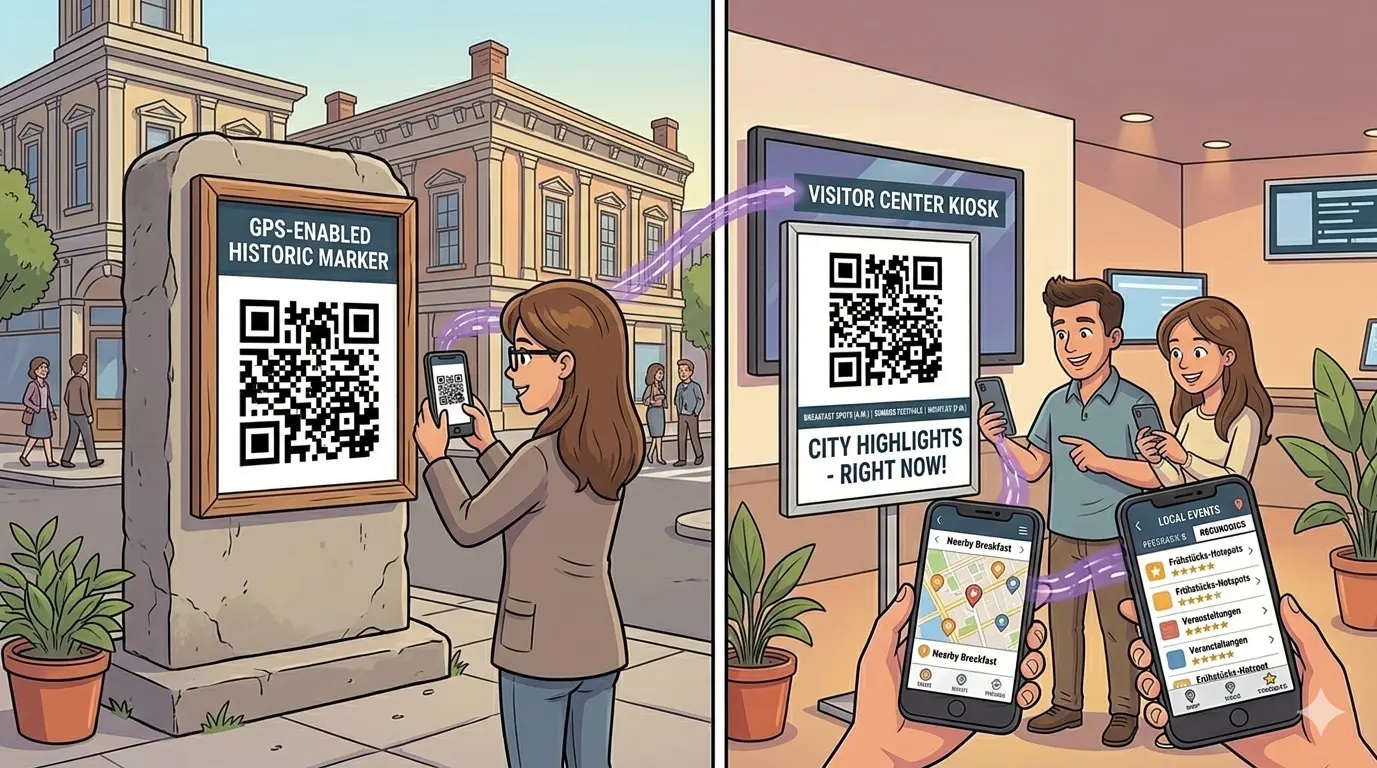
A tourism board puts one QR code on every historic marker, downtown info post, and visitor center kiosk. Visitors who share their location get the page for the landmark in front of them, Spanish-speaking visitors get the Spanish guide, and the downtown kiosk shows what's useful right now: late-night eats after dark and the festival schedule in summer.
Example rules
- Within 50 m of the old courthouse → courthouse history and photos
- Within 100m of riverfront park → trail map and events
- Phone set to Spanish → Spanish visitor guide
- 9 pm to 2 am → late-night eats
- Jun 1 to Aug 31 → summer festival schedule
- Everything else → city visitor guide
Content creators
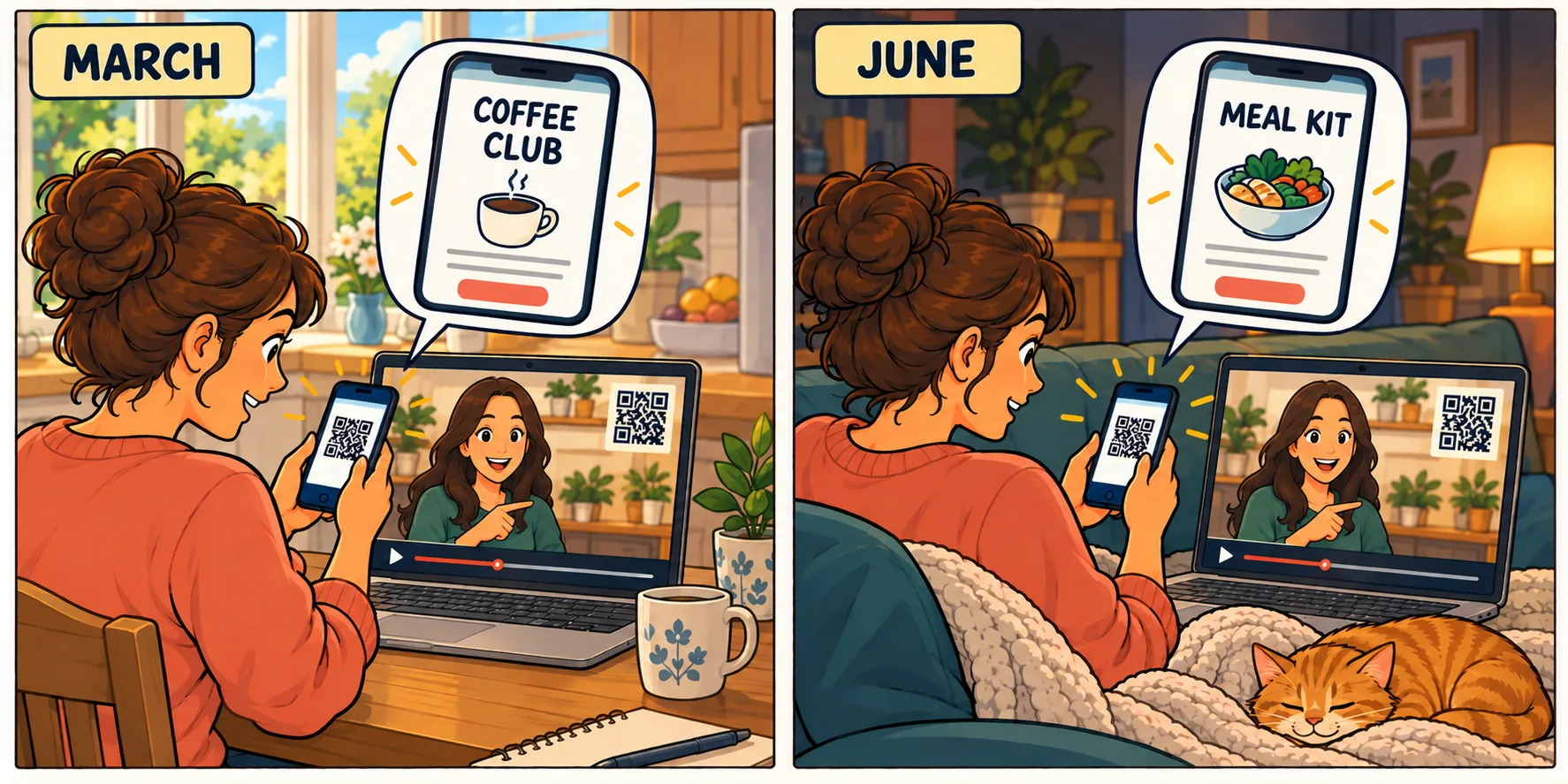
Put one QR code on screen during every sponsor read. Videos stay up for years, but sponsorships end in weeks, so a code in an old video usually leads to an expired promo. Point it at whoever sponsors you now and your whole back catalog keeps sending viewers to a live offer, with scan counts to show sponsors the read worked.
Example rules
- Mar 1 to Mar 31 → this month's sponsor
- Apr 1 to Jun 30 → next quarter's sponsor
- Nov 24 to Dec 1 → your own holiday sale
- Between sponsors → your merch store